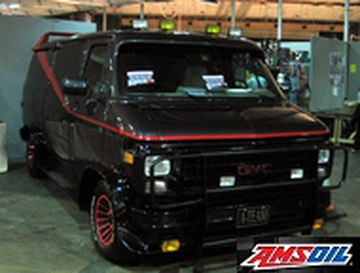
Lubrication Maintenance for the 1982 Gmc Trucks G2500 5.7L
Maintaining a vehicle of this era requires a proactive approach to fluid management and mechanical inspection. For owners of a 1982 Gmc Trucks G2500 equipped with the 5.7L engine, consistent attention to lubrication systems is a fundamental aspect of long-term operation. Because older engines often exhibit different wear characteristics than modern counterparts, understanding how to monitor and respond to changes in fluid condition is essential for effective vehicle stewardship.
Monitoring Fluid Integrity and Condition
Regularly checking the state of your engine oil provides immediate insight into the health of the engine. Rather than simply looking at the level, an observant owner should examine the physical properties of the lubricant. When performing a check, pay close attention to several key indicators:
- Color and Clarity: While oil naturally darkens as it accumulates contaminants during use, extreme discoloration or a milky appearance can indicate issues that warrant immediate investigation.
- Texture and Consistency: The presence of grit or significant particulate matter within the oil may suggest internal wear or debris accumulation.
- Odor: Unusual smells associated with the lubricant can sometimes be linked to external factors or combustion-related changes.
If you notice any sudden changes in how the oil looks or behaves, it is important to investigate the cause rather than assuming it is a standard part of aging. These symptoms can have multiple origins, ranging from simple environmental contamination to more complex mechanical concerns.
Observing Potential Warning Signs
Identifying potential issues early can prevent minor concerns from escalating into significant repairs. For a 1982 Gmc Trucks G2500, several visual and auditory cues should be monitored during routine operation. If you encounter any of the following, it is advisable to schedule a professional inspection:
Visible fluid seepage or leakage around the engine block or sealing surfaces is a primary indicator that gaskets or seals may be losing their effectiveness. Similarly, if you notice an unusual amount of lubricant being consumed between service intervals, this warrants a thorough check of the engine's condition.
Mechanical noises that coincide with engine operation—such as rhythmic tapping or knocking—can sometimes be associated with lubrication deficiencies. Furthermore, any unexpected changes in exhaust output or signs of overheating should be treated as significant indicators that the engine's thermal or lubrication management requires attention. Always remember that a single symptom does not provide a definitive diagnosis; it is merely a signal to look closer.
Prioritizing Maintenance Through Condition-Based Inspection
As vehicles age, the most effective way to manage maintenance is to focus on the actual condition of components rather than relying solely on the calendar. For an owner of a 1982 Gmc Trucks G2500, this means establishing a baseline of what "normal" looks like for your specific engine and then monitoring for deviations.
If you have recently acquired the vehicle or do not have access to a complete service history, your first priority should be to document the current state of all vital fluids and belts. Reviewing any available maintenance records can help you distinguish between routine upkeep and overdue service. If records are incomplete, focus on addressing active leaks, visible signs of wear on accessible hoses (if present), or any observed changes in fluid consumption.
Distinguishing between necessary repairs and unnecessary parts replacement is a key skill for long-term ownership. For example, an aging component that is still performing within acceptable parameters may not require immediate replacement, whereas a component showing active signs of deterioration should be prioritized. This condition-based approach ensures that maintenance efforts are directed where they will provide the most benefit to the vehicle's continued operation.
Inspecting Aging Components and Connections
The materials used in 1982 were designed for durability, but decades of thermal cycling and environmental exposure can affect their integrity. When performing routine service on your G2500, include a visual survey of the engine compartment to identify aging materials.
Inspect accessible drive belts, if equipped, for signs of cracking, glazing, or fraying. Similarly, check any visible hoses for signs of softening, swelling, or brittleness. Electrical connections and wiring harnesses should also be examined for signs of corrosion or insulation breakdown, as these can impact the reliability of various engine systems. Even if a component appears functional, checking for evidence of previous neglect—such as heavy sludge buildup or improper previous repairs—can help you better understand the maintenance needs of your 5.7L engine.
Effective Record Keeping for Long-Term Ownership
Maintaining a detailed log of all service performed on your Gmc Trucks G2500 is one of the most practical steps an owner can take. A well-kept history provides more than just a list of past repairs; it creates a roadmap for future maintenance. By recording the dates, mileage, and specific products used during every oil change and inspection, you can identify patterns that might otherwise go unnoticed.
For instance, tracking how much oil is added between changes can help you quantify consumption rates over time. Keeping records of all replaced filters, gaskets, or other components ensures that you have a reliable reference for future service. This documentation is invaluable if you ever decide to sell the vehicle, as it demonstrates a consistent commitment to proper maintenance and provides transparency regarding the engine's history.
Practical Guidance for Buying Engine Oil for your 1982 Gmc Trucks G2500 5.7L
When it is time to replenish your engine's lubricant, the most important step is to ensure the product matches the specific requirements of your application. To select the correct oil, match the engine oil to the application-specific viscosity information already displayed on this webpage.
Before making a purchase, always check the product labeling to verify that the oil meets current quality standards and certifications. Depending on your specific needs and the current condition of your engine, you may encounter various formulations, including conventional, synthetic blends, or full synthetic oils. Some high-mileage oil formulations also contain additives intended for use in aging engines, such as seal-conditioning agents. However, rather than making assumptions based on the age of the vehicle, always prioritize the specific viscosity and application data provided in the technical information above to ensure optimal compatibility with your 5.7L engine.